

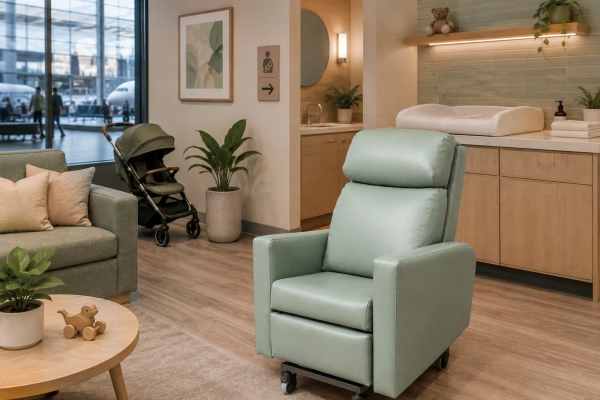
Planning a Shopping-Centre Parent Room: Seating, Privacy and Durability
A parent room needs more than an attractive feeding chair. Parents arrive with babies, prams, bags and sometimes other children or a support person. The room should give them space to feed or settle a child while allowing clear movement, appropriate privacy and practical cleaning. Furniture selection is one part of the wider fit-out brief.…
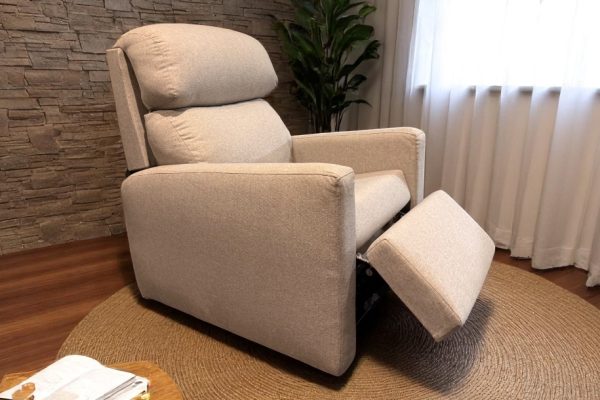
Aged-Care Resident Seating: Fit, Cleanability and Repair
A resident chair must suit its user and the room where it lives. A lift chair in a bedroom, an upright chair near a dining table and a lounge in a shared space serve different tasks. Fit, transfer method, cleaning, maintenance and the resident’s own preferences should be recorded before choosing a model or fabric.…
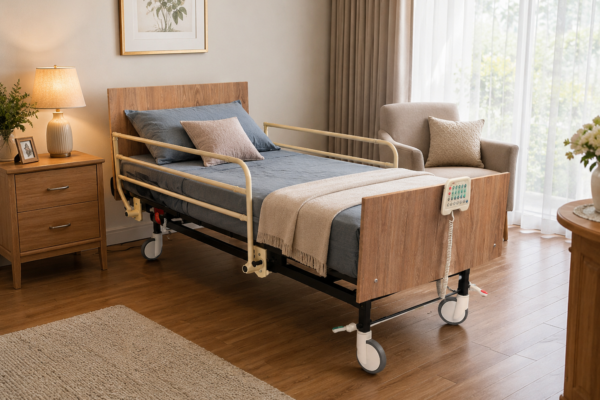
Low Bed Height, Transfer Height and Hoist Clearance in Aged Care
A low bed setting, a useful transfer height and space for a hoist are three different measurements. A specification that solves one can complicate another. The resident’s transfer method, mattress and actual room should guide the choice, with the treating team deciding what is clinically appropriate. Novacorr supplies beds and furniture for aged care and…
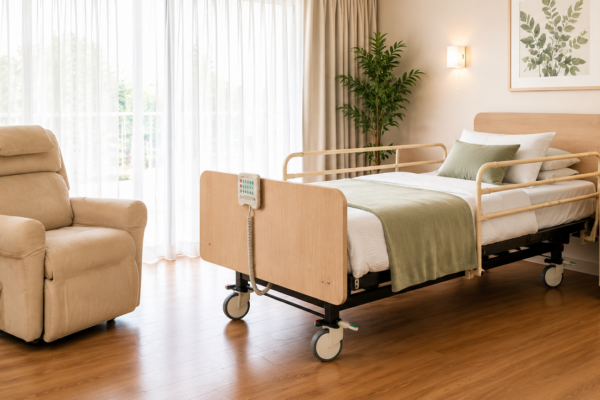
Choosing Electric Beds for Residential Aged Care: A Room-by-Room Guide
A residential aged-care bed should be chosen for the resident and the care setting together. Bed height, mattress, transfers, room access, staff tasks, cleaning, maintenance and the resident’s preferences all matter. Standardising a facility’s beds can simplify training and upkeep, but some residents need a different dimension, configuration or specialist assessment. This guide is for…
Whole-of-Life Hospital Furniture Procurement: Parts, Upholstery and Service
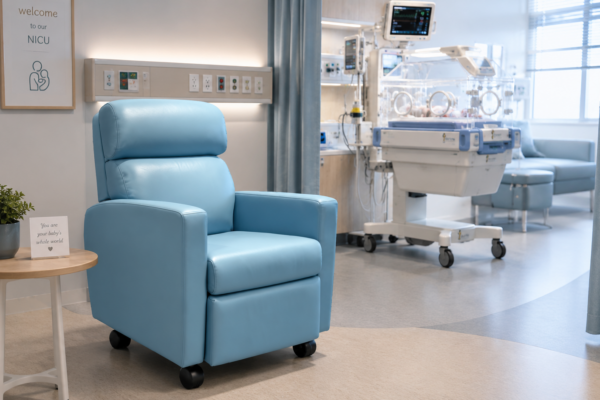
The lowest purchase price does not describe the full cost of a hospital furniture asset. Procurement teams also need to know how a product will be cleaned, maintained, repaired, moved and eventually replaced. The questions should be asked for the exact model and specification being quoted, because parts and service options can differ across a…
Hospital Lounge Seating for Patients, Visitors and Staff
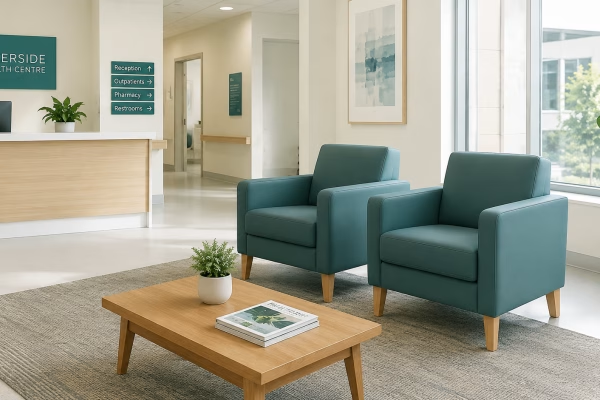
The same lounge may be used very differently in a patient room, family space or staff area. The purchase brief should begin with who sits there, for how long, and what happens around the furniture. Room dimensions, mobility equipment, cleaning and replacement needs then shape the configuration. Novacorr’s Novamed Lounge Range offers Australian-made seating for…
Maternity Chair Procurement: What to Test Beyond Appearance
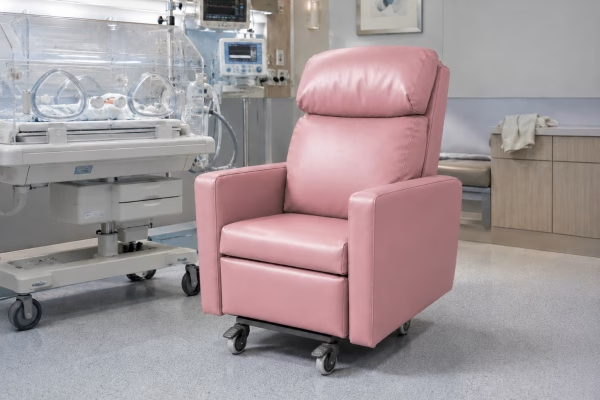
A maternity chair needs to work for the parent, baby, staff and room. Colour and shape matter in a welcoming ward, but they do not show how someone will sit down, feed, stand, clean the chair or move around it during daily care. A small trial with the people who use and maintain the room…
Custom Versus Standard Electric Beds: When Does Fit Matter?
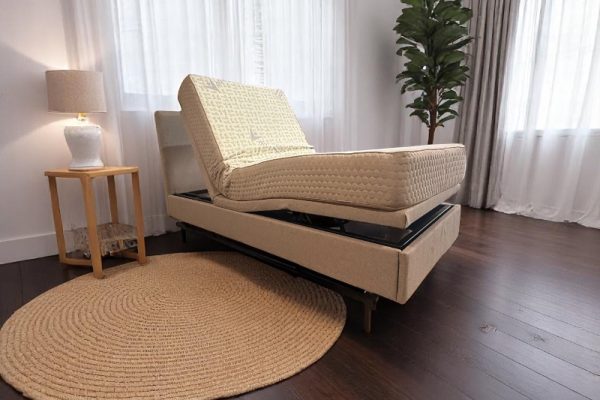
Start with the tasks and dimensions, then decide whether a standard bed fits. A ready-made electric bed may meet the person’s needs with a shorter specification process. A custom bed may be worth assessing when body proportions, transfers, control access, room constraints or likely changes cannot be accommodated by the available standard configuration. Novacorr offers…
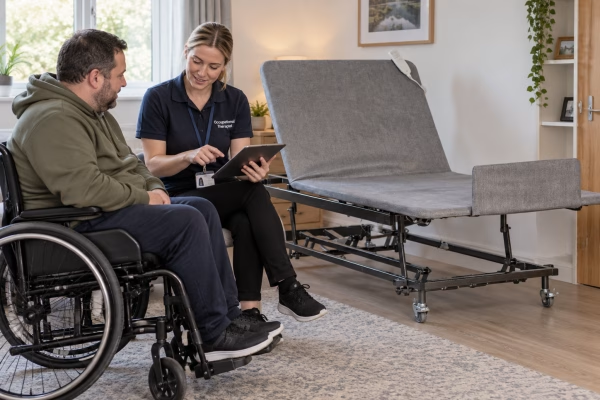
What to Observe During an In-Home Electric Bed Trial
An in-home bed trial is most useful when it tests the person’s ordinary tasks in the actual room. The trial is a chance to see how the bed, mattress, equipment and people work together. Before it starts, agree which questions the occupational therapist and person need answered, then record the exact configuration tested. Novacorr offers…
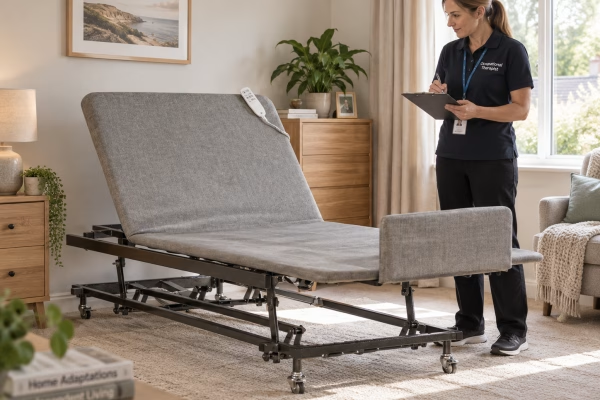
Custom Bed Assessment Checklist: Measurements, Transfers and the Room
A custom bed assessment should document the person’s goals, body dimensions, positioning and transfer needs, the mattress and equipment that will be used with the bed, and the actual room where it will operate. The occupational therapist decides the clinical requirements with the person and treating team. A manufacturer can then confirm which dimensions and…
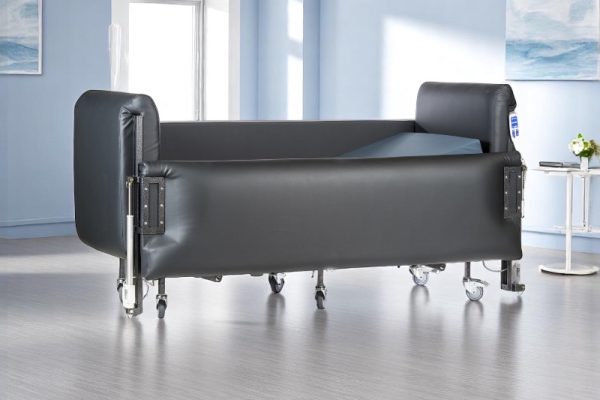
Positioning and Transfers When Involuntary Movement Changes Care
When involuntary movement changes, the equipment review needs to cover tasks as well as posture. A person may use the same bed or chair but now need a different transfer method, more room for assistance, revised positioning or a different way to operate controls. The treating team should observe what happens in the real setting…
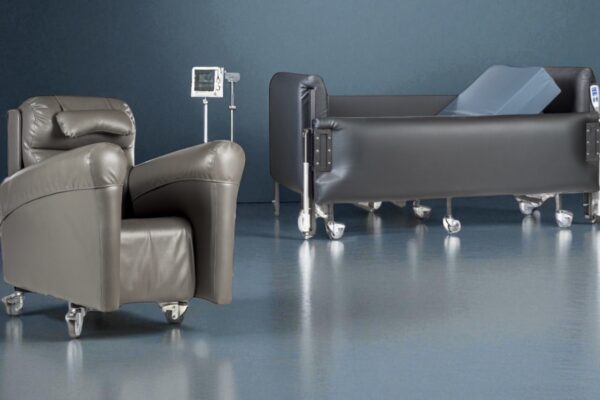
Huntington’s Bed and Chair: Assessing Separate Sleep and Seating Needs
A bed and a chair serve different parts of the day. When a person lives with Huntington’s disease or another condition involving involuntary movement, a supportive chair does not answer every question about sleep, and a specialist bed does not settle daytime seating needs. Each item needs its own assessment, followed by a check of…
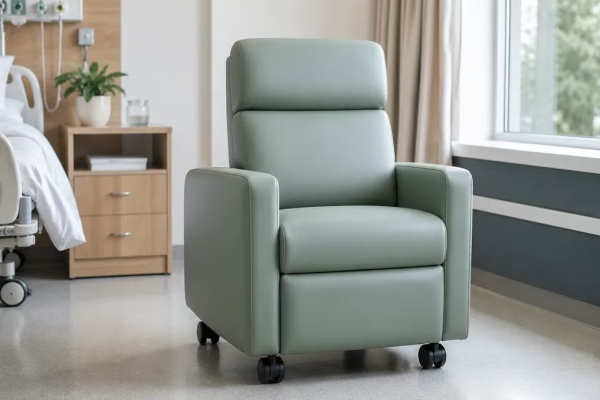
Selecting Patient Recliners for Hospital Rooms and Treatment Areas
Patient recliner selection begins with the room, the people using it and the work that happens around it. A hospital patient recliner should be selected against the intended clinical setting, patient fit, staff workflow, cleaning regime and procurement requirements. A chair that works in a day treatment bay may be a poor match for a…
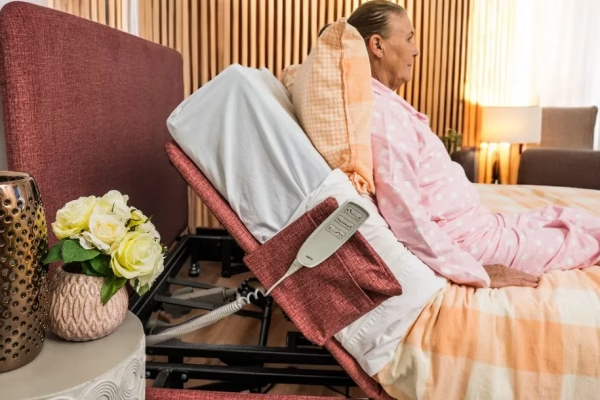
Person-Centred Equipment Scripting for Progressive Conditions: What to Record
The starting point for a bed or chair script is how one person uses the equipment in their own setting. A person-centred equipment script records the individual’s goals, body dimensions, functional needs, transfers, environment, preferences and support arrangements before a bed or chair configuration is agreed. For a progressive condition, it should also separate what…
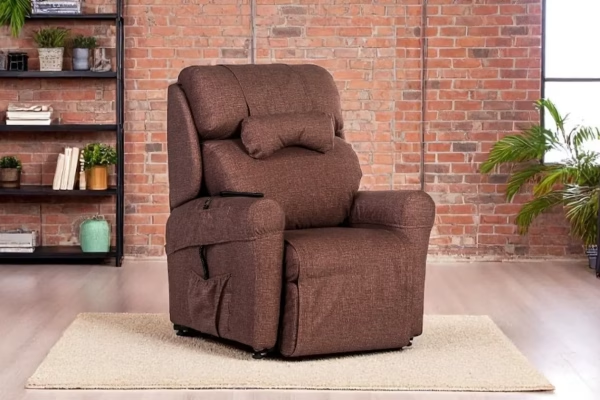
When Should a Custom Bed or Chair Be Reassessed?
A bed or chair review starts with how the person uses it now, not the date it was purchased. A custom bed or chair should be reassessed when the person, their transfers, positioning, controls, support arrangements or environment change enough that the current setup may no longer fit. A new difficulty, discomfort or safety concern…
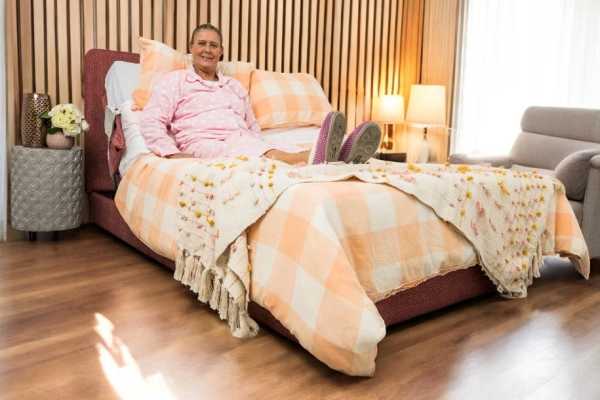
Designing Equipment for Changing Needs: Why Adaptability Matters in Neurological Conditions
Equipment for a progressive neurological condition should be chosen for the person using it today, with foreseeable changes considered during the original assessment. A diagnosis alone cannot tell an occupational therapist what bed height, seating dimensions, controls or transfer space will work in a particular home. The person’s body proportions, movement, routines, preferences, support arrangements…
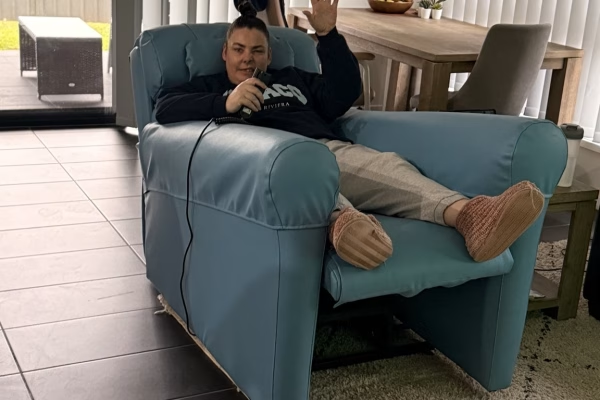
Seating for Involuntary Movement in Huntington’s Disease: Charmaine’s Experience
By Novacorr Healthcare · 24 September 2026 Charmaine in her chair on delivery day. Individual seating needs require assessment. For occupational therapists, support coordinators and care teams, a seating discussion needs to connect observed difficulties with the person’s priorities. Charmaine’s experience offers a useful example of how to document that process without confusing early impressions…
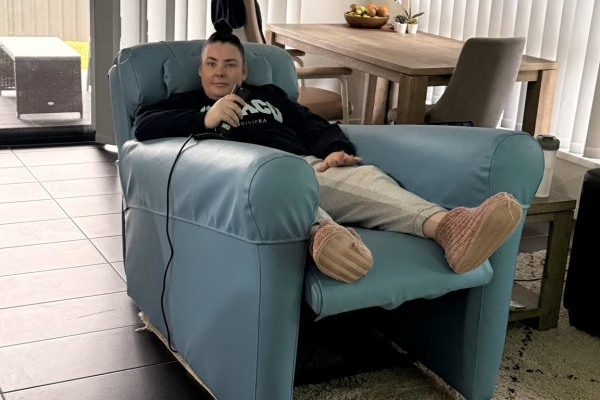
Charmaine’s Story: Finding the Right Chair for Huntington’s Disease
Charmaine’s support team wanted seating better suited to her Huntington’s disease. Read about the search for a suitable chair and her first impressions on delivery day.
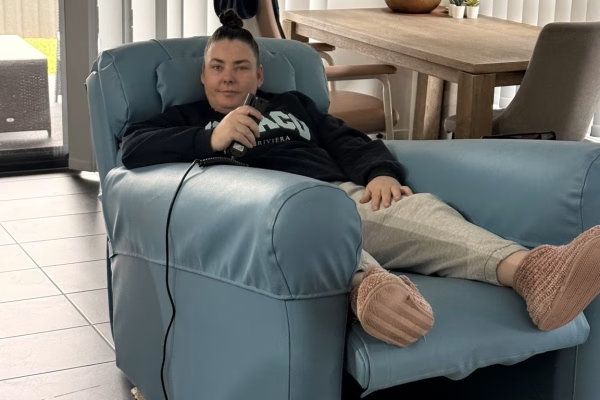
Choosing a Chair for Someone with Huntington’s Disease
By Novacorr Healthcare · 24 September 2026 Charmaine in her NovaProtect Huntington’s Chair on delivery day. Choosing specialist seating starts with understanding the person who will use it. What do they enjoy doing at home? What is difficult about their current chair? What would they like to feel different? For Charmaine, who lives with Huntington’s…
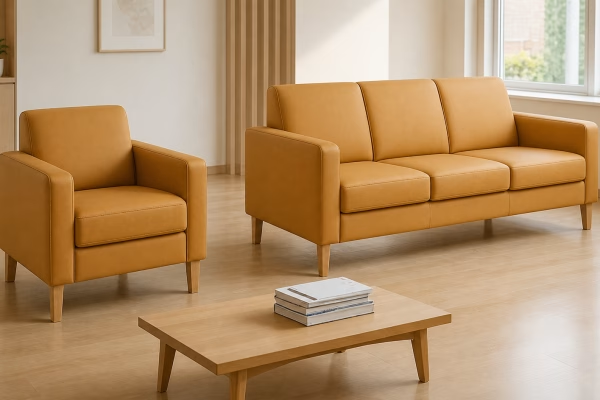
Novamed Lounge Seating for Hospitals, Aged Care and Family Spaces
Hospital and aged-care seating has to work hard. It needs to feel welcoming for patients, families and visitors while also standing up to frequent use, cleaning routines and the practical demands of a clinical environment.The Novamed Lounge Range is designed for hospitals, aged care, mental health facilities, patient rooms, waiting areas and communal spaces. Configurations…
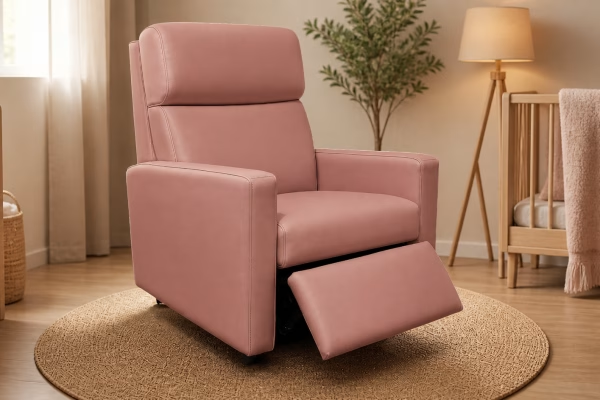
How Novamed Breastfeeding Chairs Support Maternity Care
Comfortable seating can make a meaningful difference in maternity and postnatal spaces. Mothers may spend extended periods feeding, bonding, recovering and resting, so a breastfeeding chair needs to combine supportive comfort with the durability and cleanability expected in a healthcare environment.The Novamed Breastfeeding Chair range includes Standard, Wide and Electric models. The Standard and Wide…
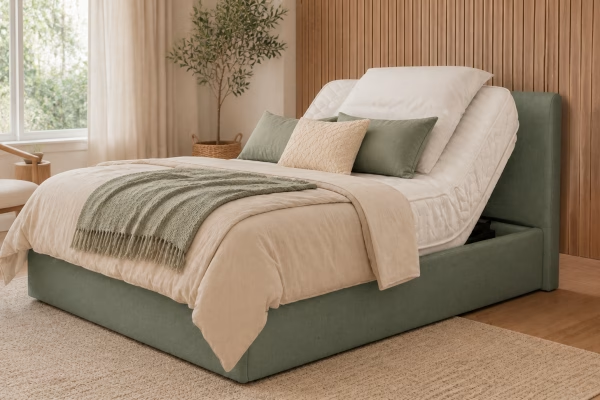
Choosing a Bariatric Health Bed: Capacity, Space and Comfort
Choosing a bariatric health bed involves more than checking the maximum weight capacity. The bed also needs to suit the user’s height and size, the room layout, transfer method, mattress requirements and the work practices of carers.The Novacorr Bariatric Health Bed is available with safe working load options including 300 kg and 450 kg, with…
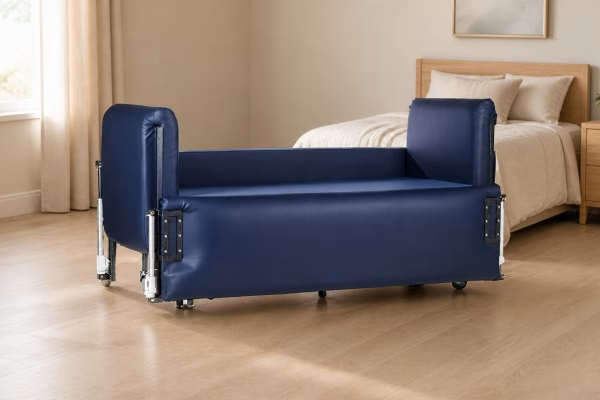
Huntington’s Bed Safety Features for Complex Care Environments
Standard beds may not provide enough protection or flexibility for people living with involuntary movements, acquired brain injury or other complex care requirements. A purpose-built protective bed can help families and carers create a more controlled, supportive sleeping environment.The Novaprotect Huntington’s Bed is designed with padded surrounds and anti-entrapment and anti-injury features. Its purpose is…
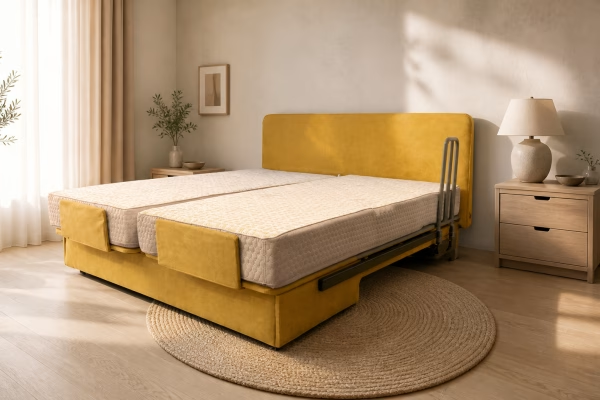
How a Dual Adjustable Bed Supports Couples with Different Care Needs
When two people share a bed but have different comfort or care requirements, a dual adjustable bed can offer a more practical solution than asking both people to use the same position. Each side can be configured and adjusted more independently while the couple continues to share one bedroom and one connected sleep space.The Novacorr…
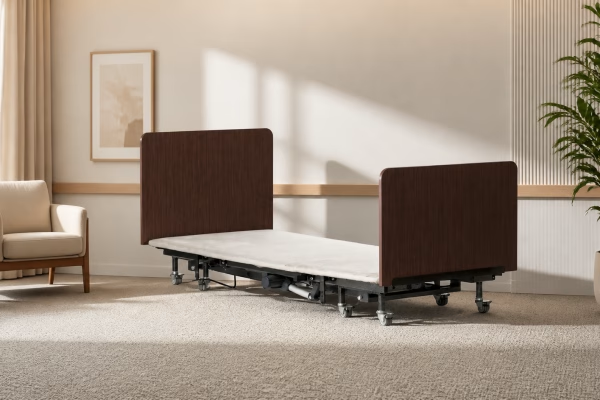
Trendelenburg Beds: Positioning Flexibility for Complex Care
Positioning requirements can change from one person to the next. A Trendelenburg bed gives care teams and families more flexibility by allowing the bed platform to tilt head-down or foot-down, in addition to standard height, back and leg adjustments where specified.Why positioning flexibility mattersFor some users, a particular position may support comfort, pressure-care routines, respiratory…
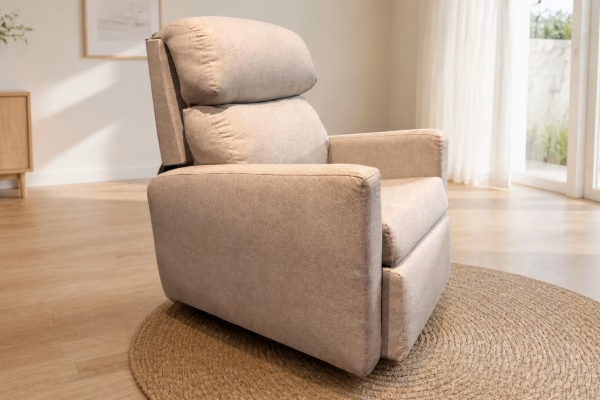
What to Look for in a Lift Chair for Sit-to-Stand Support
A lift chair can support more independent movement through the day by helping a person transition between sitting, standing and resting. For families comparing electric recliners, the most important question is not simply how comfortable the chair feels; it is how well the chair fits the person, the room and the routine.Key lift-chair featuresLook for…
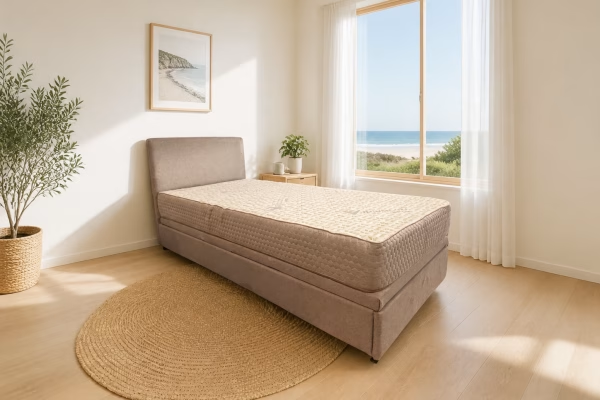
How an Adjustable Homecare Bed Can Make Everyday Care Easier
When care needs change, the right bed can make everyday routines more manageable for the person using it and the people supporting them. An adjustable homecare bed is designed to provide more than a place to sleep: it can support positioning, comfort and easier access throughout the day.The Novacare HiLo Homecare Bed is a ready-to-go…
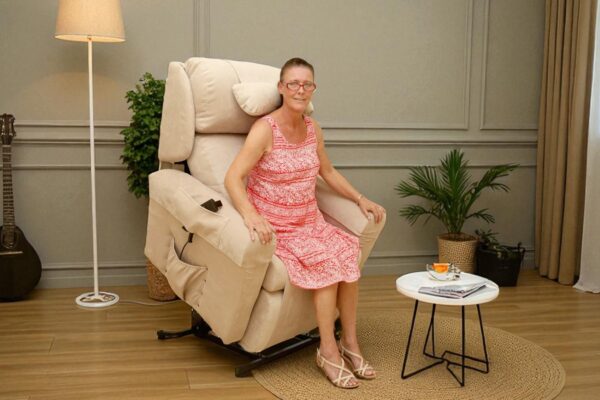
EOFY Sale on Australian-Made Adjustable Beds and Lift Chairs
The Novacorr 2026 EOFY promotion ended on 30 June 2026. Read the archived offer terms and contact our team for current pricing.

Empowered Living: Huntington’s Victoria Endorses Novacorr’s Novaprotect Huntington’s Range
Huntington’s Victoria Endorses Novacorr’s Novaprotect Huntington’s Range Living with Huntington’s disease (HD) can bring unique challenges for both individuals and families. Having the right care, equipment, and support in place makes all the difference—and that’s where the partnership between Huntington’s Victoria and Novacorr Healthcare comes in. Huntington’s Victoria is the state’s only specialist service for…
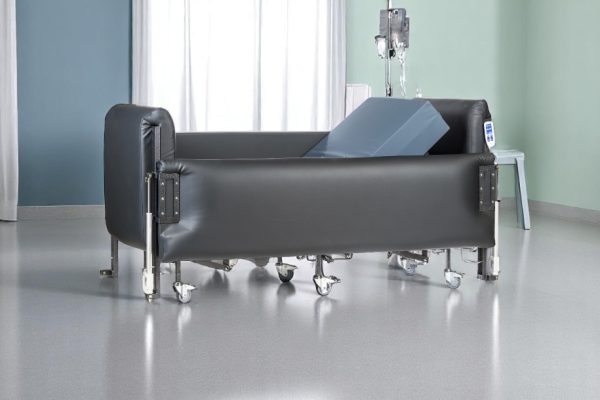
The Hidden Risks of Standard Equipment for Complex Conditions
Compare equipment fit, dimensions and configuration for complex care needs, with clinical assessment and product information supporting an informed choice.