

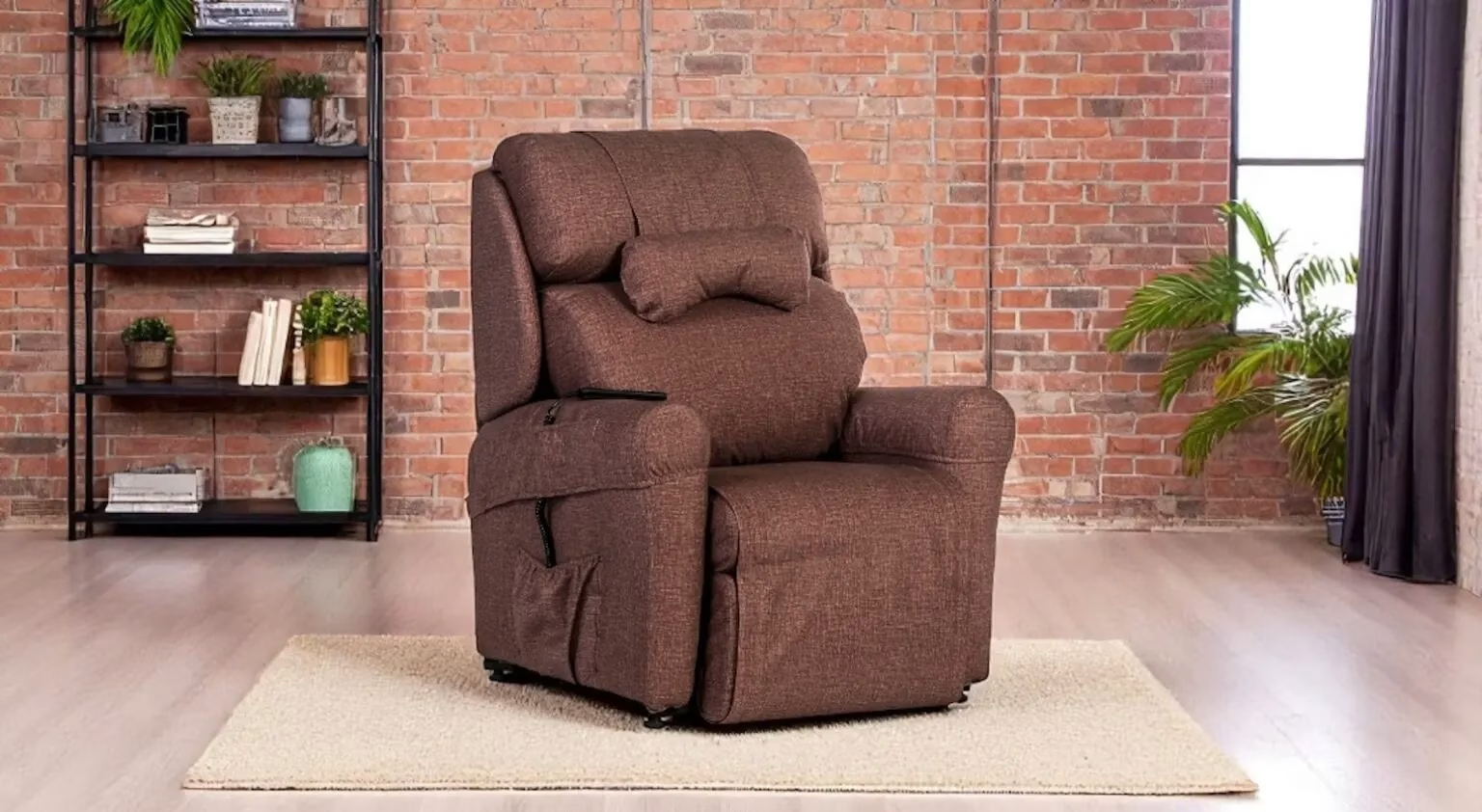
A custom bed or chair should be reassessed when the person, their transfers, positioning, controls, support arrangements or environment change enough that the current setup may no longer fit. A new difficulty, discomfort or safety concern is a reason to ask the treating occupational therapist or clinical team to review the equipment. The diagnosis alone does not set the review schedule.
Novacorr designs and manufactures custom beds and chairs on Queensland’s Sunshine Coast. In a reassessment, the person and treating team describe what is happening in daily use; Novacorr can then review the original specification and advise which product changes may be technically possible. This guide is a conversation aid for OTs, individuals, families and supporters, rather than a substitute for an individual clinical assessment.
Five signs that a bed or chair needs a fresh look
1. Transfers no longer work as planned
Notice whether the person’s feet reach the floor, the bed or seat height suits the current transfer method, and wheelchair or hoist access still works in the available space. A change from standing transfers to assisted transfers, or a different wheelchair or hoist, can alter the equipment brief. The treating team should assess the whole transfer setup, including room access and support arrangements.
2. Positioning or comfort has changed
A person may spend longer in bed or seated, develop a different posture, or need a revised pressure-care plan. Note where support feels inadequate, where the body sits in relation to the bed sections or chair, and whether a new mattress or cushion affects fit. Pain, skin concerns or new pressure areas warrant timely clinical advice; the equipment review should follow the treating team’s assessment.
3. Controls are harder to use
Ask whether the person can still find, reach and operate the controls they use, and whether a supporter needs a different access arrangement. Changes in hand movement, strength, vision or communication can affect the control method. Novacorr can discuss compatible control options for a particular Novacustom bed or chair, subject to the original build and assessment.
4. The room or care routine has changed
Moving house, rearranging a bedroom, adding a hoist, changing the number of supporters or introducing new care routines may reveal access problems. Recheck the clearances around the equipment, the way doors open, the path of a wheelchair or hoist, and the space needed for the person’s preferred routines. The person’s privacy and how the furniture feels in their home also belong in the discussion.
5. A new safety concern or equipment fault appears
A near miss, unexpected movement, damaged part or change in how a rail, bed or chair operates needs attention. Stop using an unsafe configuration and contact the treating team and Novacorr for appropriate advice. A technical fault may call for servicing; a change in the person’s needs may call for clinical reassessment. Both may be needed.
What should an OT and manufacturer review together?
Begin with the person’s goals and what they say works or does not work. Observe actual use where practicable, including transfers, positioning and control access. Compare the current situation with the original equipment script and any later changes. Useful questions include:
- What has changed in function, body dimensions, posture, movement or daily routines?
- What changed in the room, wheelchair, hoist, mattress or support team?
- What is the immediate concern, and what change is reasonably foreseeable?
- Which dimensions or features are involved: bed height, section proportions, seat fit, controls, supports, access or accessories?
- What needs a clinical decision, a technical inspection, a trial or updated documentation?
Novacorr’s occupational therapist resource explains how the team approaches scripting and trials. The Novacustom HiLo Health Bed and 150 Series Lift Chair pages show the kinds of bed and seating options that can be considered, without determining suitability for any one person.
Can the current product be modified?
Sometimes. Depending on the original design and components, a Novacustom product may allow a change to selected dimensions, controls, castors, accessories or support features. A modification is not guaranteed and should be checked against the person’s current clinical needs, the product’s construction, component compatibility and safety. Novacorr can examine the build record and discuss feasibility with the treating team. If the equipment is damaged, servicing or repair is a separate question from whether the specification still fits.
For the broader planning approach, read designing equipment for changing neurological needs. The principle applies more widely: design around the person, not simply a diagnosis. Charmaine’s Huntington’s Chair story is one published example of an individual seating process, not a template for everyone with that condition.
When a review points to a changed specification, use the person-centred bed and chair scripting guide to record the person’s current goals, measurements, transfers, environment and foreseeable needs before agreeing on the next configuration.
What happens next?
Document the change and the effect on daily use. Arrange clinical review when the issue concerns function, positioning, transfers or safety. Ask Novacorr to identify the exact product and original specification before assuming a part can be changed. A further equipment trial may help the person and OT test a proposed setup. Contact Novacorr to discuss a bed or chair review and confirm what advice or trial format is available in the person’s location.
Frequently asked questions
Is there a fixed time to reassess a custom bed or chair?
There is no single interval that suits everyone. Agree on a review approach with the treating team, and bring a review forward when function, fit, the environment or safety changes.
Does reassessment mean buying a new bed or chair?
No. The review may lead to a change in setup, a suitable modification, servicing, a new trial or a different product. The treating team and manufacturer must assess the individual product and situation before deciding.
Who should be involved?
The person using the equipment should be central. Their OT or other relevant clinicians, supporters and Novacorr may each contribute different information about daily use, clinical needs and technical feasibility.