

By Novacorr Healthcare · 24 September 2026
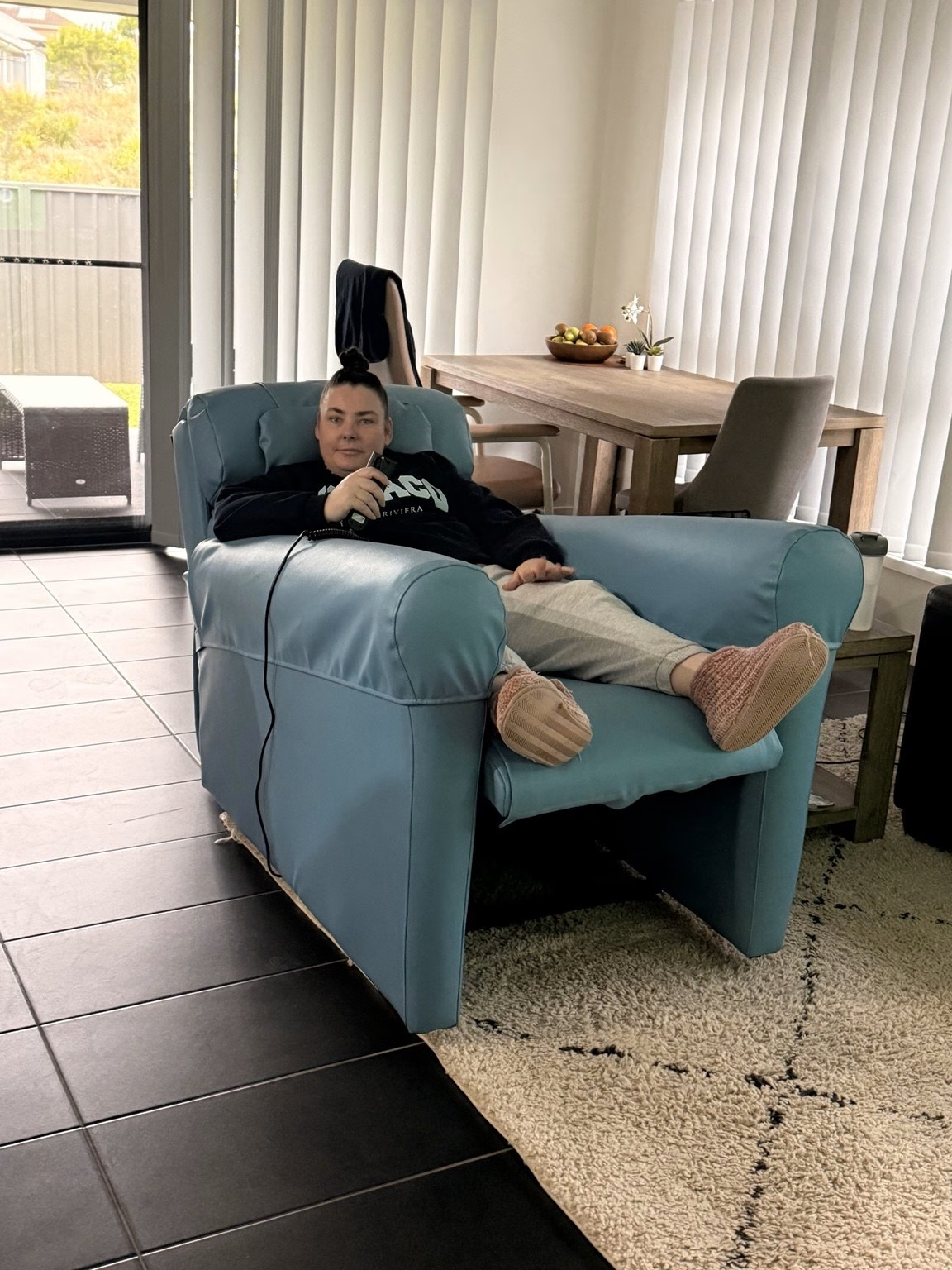
When Charmaine was asked how she felt in her new NovaProtect Huntington’s Chair, her answer was simple:
“It’s comfy. I feel a lot safer.”
That comment was recorded on delivery day. It followed a search for seating better suited to Charmaine as her Huntington’s disease progressed. Her story brings together her support team’s account of her previous seating and her own first impressions when the new chair arrived.
Meet Charmaine
Charmaine enjoys spending time with her family, going to the beach and watching television. Crime shows are a favourite, along with Tipping Point and The Block. Her support worker described how visits with her daughter and grandson brighten her day.
Those everyday pleasures provide the context for choosing a chair. It needs to fit into Charmaine’s life at home, as well as respond to her seating needs.
Before delivery: why her previous seating needed to change
In the pre-delivery questionnaire, Charmaine’s support team reported that previous recliners were no longer suited to her as her Huntington’s progressed. The form identified difficulties getting comfortable, maintaining position and relaxing, alongside sliding forward, involuntary movements and getting in and out of the chair.
Staff described prompting Charmaine to reposition. Their aim was a Huntington’s-specific recliner suited to her needs, with improvements sought in comfort, safety, positioning, relaxation, transfers and support for staff.
These goals helped explain what her support team wanted from a different chair.
A chance to try the chair
The pre-delivery form records that Charmaine had previously sat in a Novacorr chair during a brief trial. It was not an extended trial over a day or longer, but it gave her a chance to experience the chair.
Her response, as recorded by her support team, was that she loved it.
Novacorr Healthcare manufactures the NovaProtect Huntington’s Chair in Australia. It is part of the NovaProtect range of specialist beds and seating for complex care needs.
Delivery day: Charmaine’s first impressions
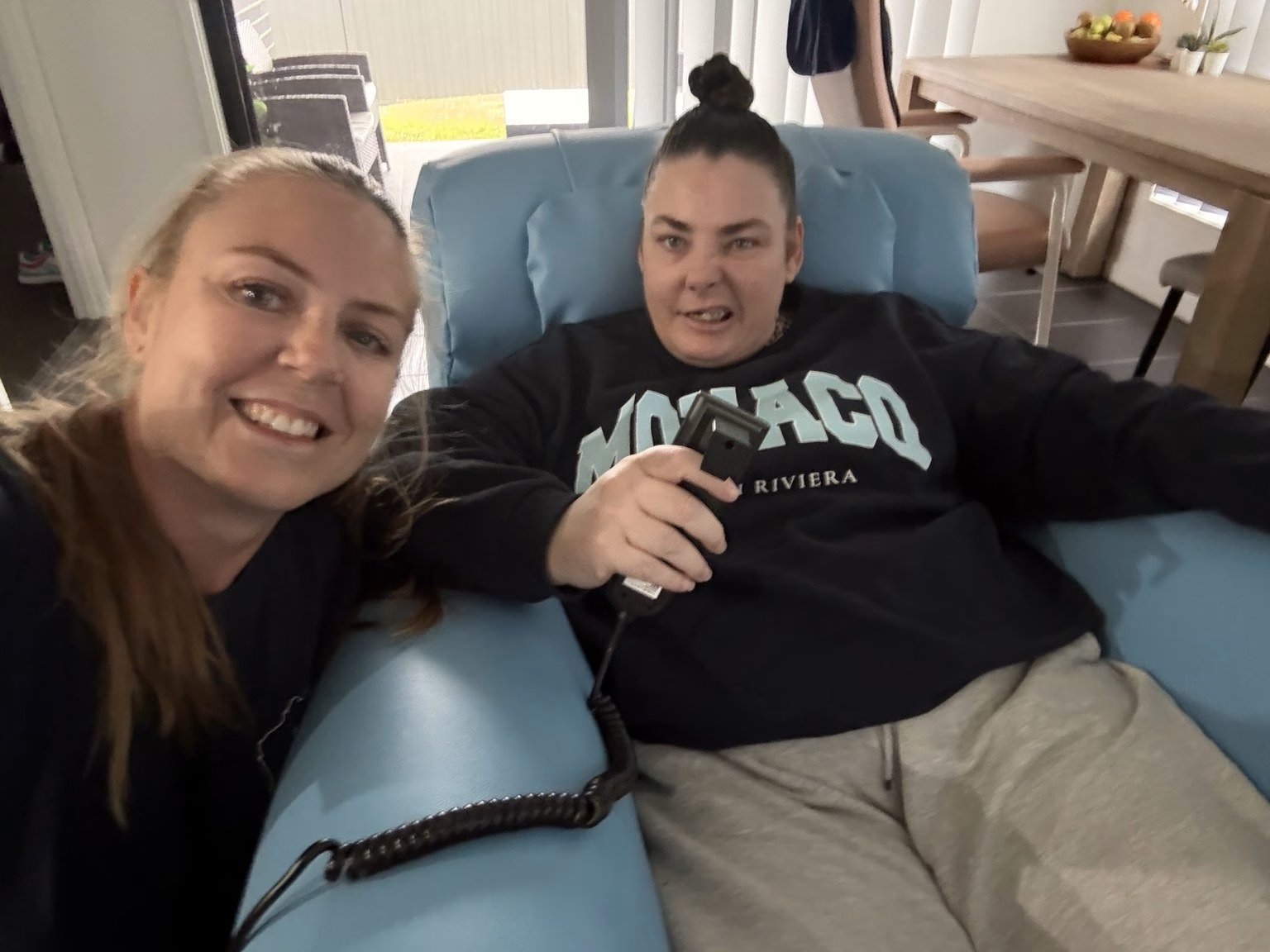
When her own chair arrived, Charmaine said:
“I love it. It’s comfy. I love everything.”
The delivery questionnaire also records that she loved the colour. Asked how she felt sitting in it, she said she felt comfortable and safer.
When asked what felt different from her old chair, the recorded response was that she did not need to move all the time. This describes Charmaine’s experience at that moment; it does not establish a measured reduction in involuntary movement.
A chair for ordinary life at home
Asked what she expected to use the chair for, Charmaine named watching TV, sleeping and eating. These are the everyday activities she looked forward to enjoying in it.
Her answers keep the focus on what matters to her: a chair she likes, in a colour she loves, for everyday life at home.
What this case study tells us so far
The pre-delivery questionnaire records the seating problems and goals reported by Charmaine’s support team. The delivery-day questionnaire records Charmaine’s positive first impressions.
There is no completed longer-term follow-up in these materials. Changes in repositioning, transfers, staff assistance and comfort over time would need a separate review. Other people’s needs and experiences will differ.
Explore specialist seating
For practical questions to discuss with your care team, read Choosing a Chair for Someone with Huntington’s Disease. OTs and support teams can also read Seating for Involuntary Movement: Charmaine’s Experience.
You can learn about Novacorr’s wider work in our Huntington’s Victoria article or ask about a Huntington’s Chair trial.
Based on Charmaine’s completed pre-delivery and delivery-day questionnaires. Quotations retain the recorded wording, with punctuation added for readability. This is an individual delivery-day experience, not evidence of long-term clinical outcomes.