

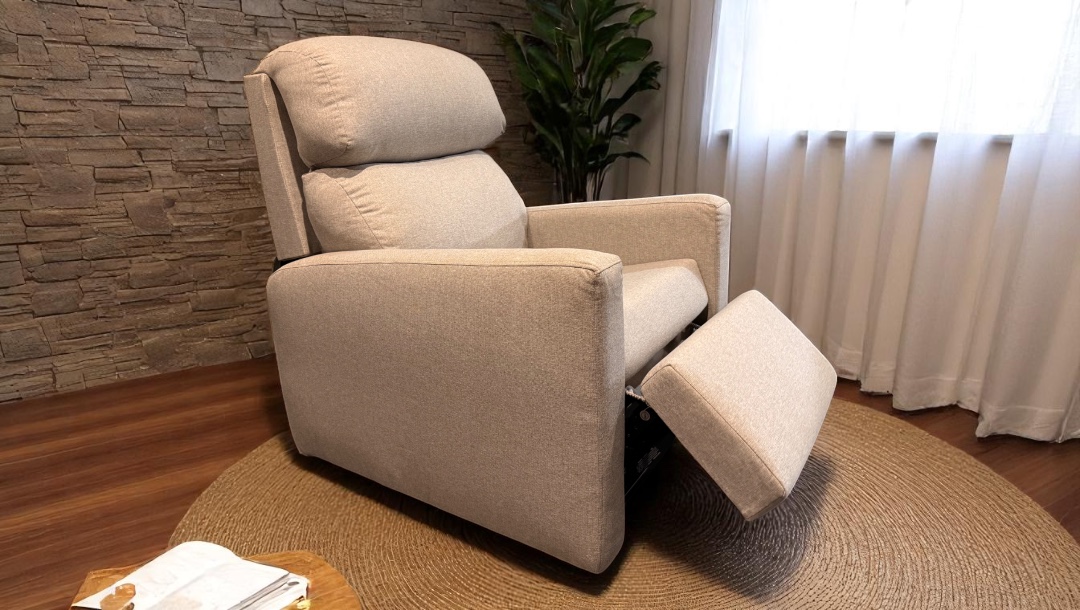
A resident chair must suit its user and the room where it lives. A lift chair in a bedroom, an upright chair near a dining table and a lounge in a shared space serve different tasks. Fit, transfer method, cleaning, maintenance and the resident’s own preferences should be recorded before choosing a model or fabric.
Novacorr supplies aged-care seating and furniture and a range of lift chairs for facilities. This guide helps teams prepare a brief. The resident’s treating clinicians should assess individual posture, pressure care, mobility and transfers.
Start with fit and function
Record the person’s seated measurements, ability to reposition, support needed at the back, arms and feet, and how they enter and leave the chair. Watch the tasks that matter: meals, reading, socialising, resting and standing. A chair that supports one task may be awkward for another. Ask what the resident likes about their current chair and how they want their room to feel.
If a lift or tilt function is considered, trial the exact model and its controls. Check that the chair can move through its full range in the available space and that supporters can assist. A higher safe working load or a specialist configuration is an option to assess, not a diagnosis-based prescription. The Novacare Lily and Novacustom chair ranges provide different starting points.
Distinguish bedrooms, dining and lounges
In a bedroom, include the bed, wheelchair or hoist, visitor space and route to the bathroom. For dining, consider table access, armrests, seat height and cleaning after meals. In a common lounge, people may need a mix of individual and group seating with clear circulation. The aged-care lounge and dining furniture page shows the broader category; the exact product should be assessed for its location.
Check fabric and cleaning in daily use
Ask for upholstery samples and written instructions for the specified fabric or vinyl. Have cleaning staff compare them with the facility’s approved products and routine. Look at seams, arms, footrests and access beneath the chair. A wipeable surface is useful only if the chosen material tolerates the facility’s method and the rest of the chair can be reached.
Choose colours with the resident and interior team where possible. Appearance and comfort are legitimate parts of a homelike room, alongside durability and repair requirements.
Ask how the chair will be maintained
Request the model’s warranty, service arrangements and details of replaceable components. Ask whether the selected chair can be reupholstered or repaired and what that work would involve. Do not assume an option available on one model extends to every product. Record the final dimensions, material code and custom features so the facility can request the right service later.
If the resident’s function changes, the team should review the chair’s fit and transfer plan rather than automatically replacing it. Contact Novacorr with resident needs, room types and quantities to discuss suitable options and samples.
Frequently asked questions
Can one chair model be used throughout a facility?
A shared range may simplify purchasing, but residents differ in size, transfers and support needs. Assess exceptions individually.
Is vinyl always the right material?
The choice depends on cleaning protocols, comfort, durability and the specific environment. Confirm the exact material’s care guidance.
Should a worn chair be repaired or replaced?
First assess structural and clinical suitability, then ask the manufacturer about parts and upholstery for that specific model. A repair should not preserve a chair that no longer fits the resident.