

By Novacorr Healthcare · 24 September 2026
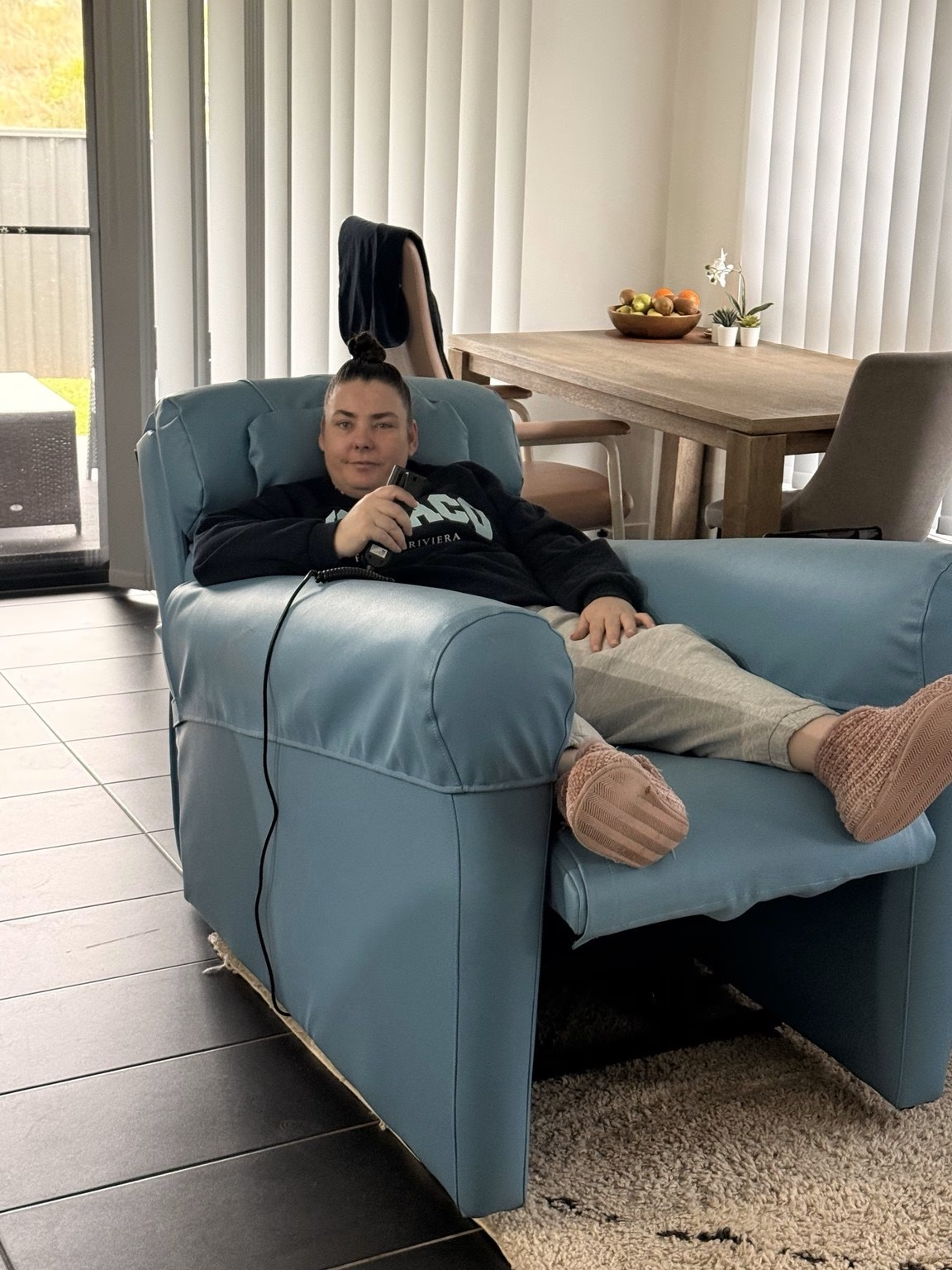
Choosing specialist seating starts with understanding the person who will use it. What do they enjoy doing at home? What is difficult about their current chair? What would they like to feel different?
For Charmaine, who lives with Huntington’s disease, her support team wanted a recliner better suited to her changing needs. Her own priorities were just as important. She had tried a Novacorr chair and loved it; when her own arrived, she liked the colour and described it as comfortable.
Her delivery-day case study is one person’s experience. The questions below can help families, carers, support coordinators and occupational therapists prepare for a seating discussion of their own.
Start with the current chair
Write down the problems you want to address. Is the person finding it hard to get comfortable, maintain their position or relax? Do they slide forward? Is getting in or out difficult? What happens when they experience involuntary movements?
Include the person’s words and the care team’s observations. Note any prompting or physical assistance provided, without guessing how often it happens.
Charmaine’s support team described prompting her to reposition and said her previous recliners were no longer suited to her. That gave the discussion a specific starting point.
Ask an OT about fit, support and transfers
Discuss body support, seat size, foot support, comfort and getting into and out of the chair with the treating OT. Specialist seating needs to be assessed for the individual, including any pressure-care requirements and equipment used for transfers.
The Huntington’s Disease Association’s occupational therapy guidelines cover postural assessment, seating support and review as needs change. Product features are part of that conversation, but cannot replace an assessment.
Think about the room and everyday routines
Bring practical information to the supplier: where the chair will go, how it will reach that room, and what other furniture or equipment shares the space. Ask about room needed for movement, access for carers, power, cleaning and servicing.
Discuss the activities the person wants to enjoy. Charmaine named watching television, sleeping and eating when asked about intended use. The right position and support for particular activities should be considered with her care team; her plans are not a recommendation for someone else.
Give the person a say
Comfort is personal. So are colour, upholstery and how a chair feels in the home.
Ask the person what they like, allow time for their response and include their preferences in the decision. Charmaine’s enthusiasm about her chair and its colour belongs in the story alongside the seating problems her team identified.
Use a trial to explore the unanswered questions
Ask what trial options are available and what can realistically be assessed. Agree the important questions with the OT and support team before the trial, then record what was observed and what remains uncertain.
Charmaine’s pre-delivery form describes a brief opportunity to sit in the chair. She loved it, but that short experience did not establish how it would work over a full day or several weeks.
For more detail, read Seating for Involuntary Movement in Huntington’s Disease.
Plan for review after delivery
Keep the original goals so you can return to them once the chair is in use. Discuss comfort, positioning, transfers and assistance with the care team, and seek review if needs change. Training and ongoing equipment checks also matter.
A positive first reaction is worth recording, while leaving room for adjustments and later feedback. Charmaine’s comment that she felt safer is her delivery-day experience, rather than a guarantee of a similar result for everyone.
Talk to Novacorr about specialist seating
Novacorr Healthcare manufactures the NovaProtect Huntington’s Chair in Australia as part of its NovaProtect specialist-care range.
Ask about a trial or contact Novacorr to discuss available options with your treating clinician’s recommendations in mind.
This guide provides questions for a seating discussion. Suitability, configuration and safe use need to be assessed for each individual.