

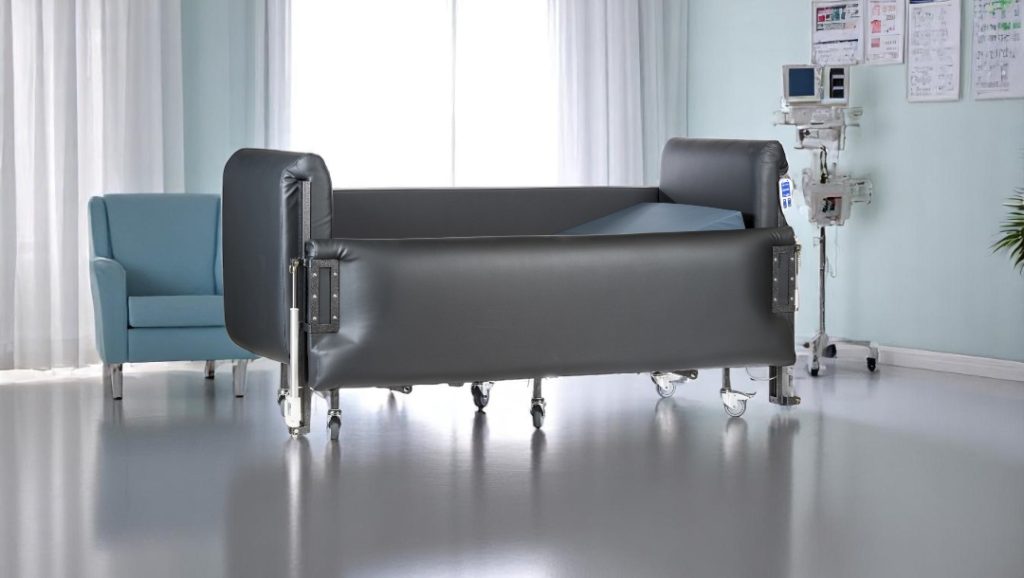
When it comes to assistive technology, timing is everything. Many people wait until a condition has severely progressed before considering specialised equipment. At Novacorr, we believe early intervention isn’t just helpful, it’s critical. Planning ahead creates time to assess, trial and select appropriate equipment.
For people living with progressive neurological conditions such as Huntington’s disease, motor neurone disease (MND) or multiple sclerosis, early equipment planning gives the person and their clinical team time to discuss positioning, transfers, daily routines and changing support needs. The appropriate features depend on an individual assessment; equipment is not a treatment for the underlying condition.
It’s important to recognise that assistive technology is not just reactive. It’s proactive. If introduced early, equipment can be integrated seamlessly into daily routines, removing the stigma that often comes with medical equipment. This is particularly important for clients who may struggle with accepting their changing needs.
Families often tell us, “We wish we had this sooner.” Waiting can mean missed opportunities to maximise independence, reduce injury risk, and avoid rushed NDIS applications during a crisis. It can also result in higher long-term costs due to injuries, hospital stays or interim equipment that is not fit for purpose.
Early intervention allows time for scripting, trialling and adjusting equipment without panic or pressure. With early planning, you can discuss which configurations and future adjustments may be available for the selected model.
For a closer look at how an initial specification can account for changing function, read our guide to equipment for changing neurological needs. Possible later modifications depend on the individual product and reassessment.
Novacorr supports OTs and families with product specifications, configuration options and quotes. The prescribing clinician is responsible for assessment and clinical justification. Free trials are included for Novacustom and Novaprotect; contact us to confirm available in-home or video options.
If you are supporting someone with a progressive condition, don’t wait for the next fall or functional decline to take action. The right equipment, provided early, can support comfort, dignity and daily routines. And that, we believe, is worth acting for.